Skip to content

marinemammalsnccnc.com

United for the coast: swift action, expert care, and healthier marine mammal populations.

Month: October 2026

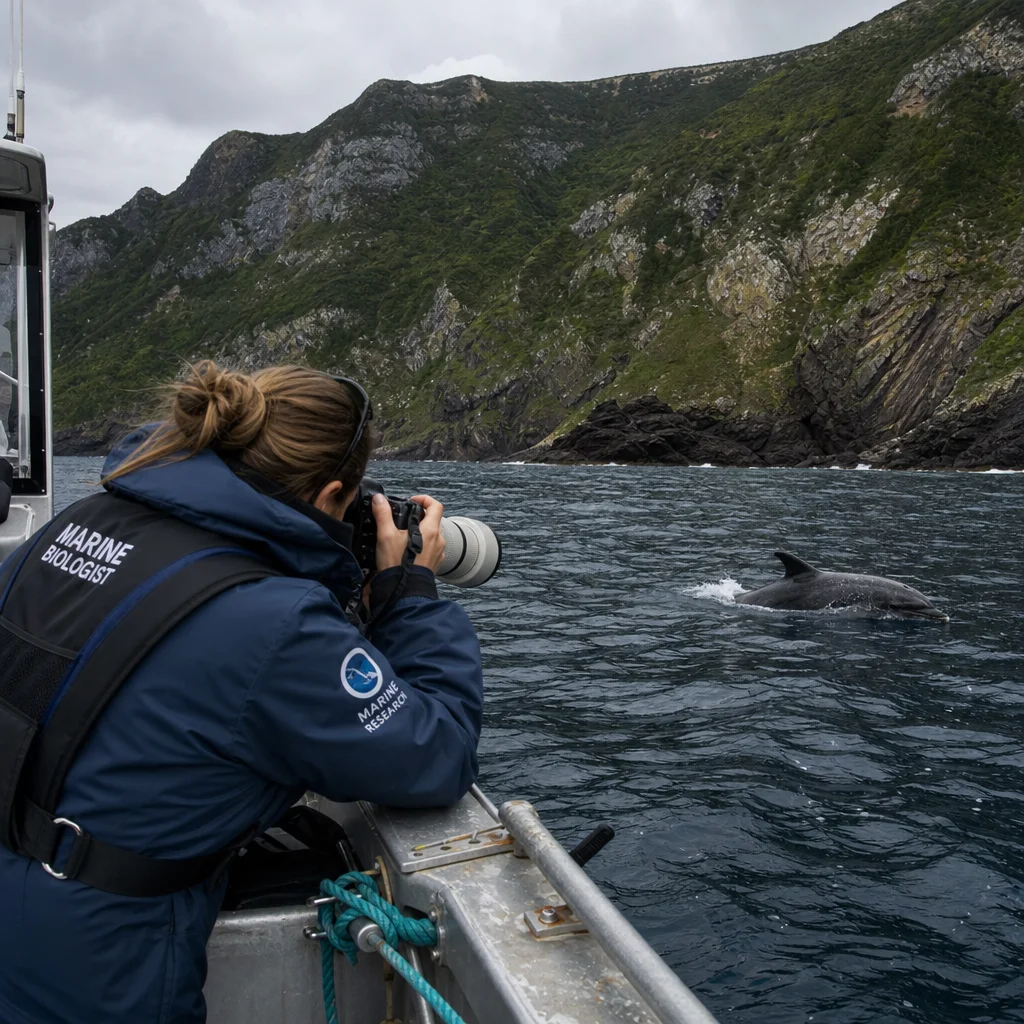
Field Research Methodologies for Documenting Coastal Marine Encounters
Marine Mammal Rescue

Field Research Methodologies for Documenting Coastal Marine Encounters

Coastal waters represent some of the most dynamic, volatile, and biologically productive ecosystems on Earth. Encounters with marine fauna in…

October 21, 2026
The Cultural Symbolism of Ocean Wildlife: From Marine Folklore to Modern Imagery
Marine Mammal Rescue

The Cultural Symbolism of Ocean Wildlife: From Marine Folklore to Modern Imagery

Why the Sea Still Speaks in Symbols Long before marine biology established taxonomies and deep-sea submersibles mapped the abyssal plains,…

October 21, 2026
The Role of Estuarine Ecosystems in Sustaining Marine Biodiversity
Marine Mammal Rescue

The Role of Estuarine Ecosystems in Sustaining Marine Biodiversity

Estuaries occupy a dynamic and critical position in our global geography. They are neither fully freshwater rivers nor open marine…

October 21, 2026
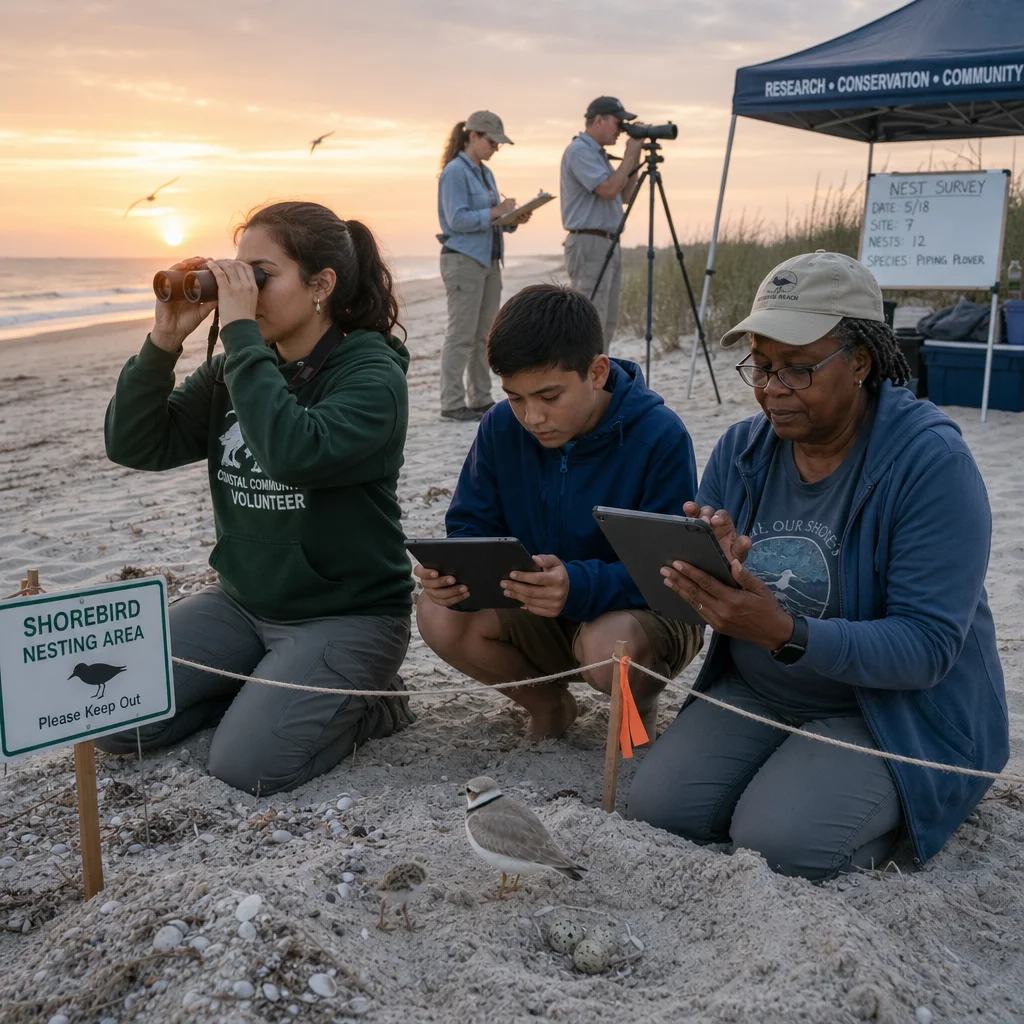
Community-Based Citizen Science in Coastal Wildlife Protection Programs
Marine Mammal Rescue

Community-Based Citizen Science in Coastal Wildlife Protection Programs

Why Coastal Wildlife Needs Local Eyes Coastlines rank among the most ecologically dynamic and heavily threatened habitats on Earth. Twice…

October 21, 2026
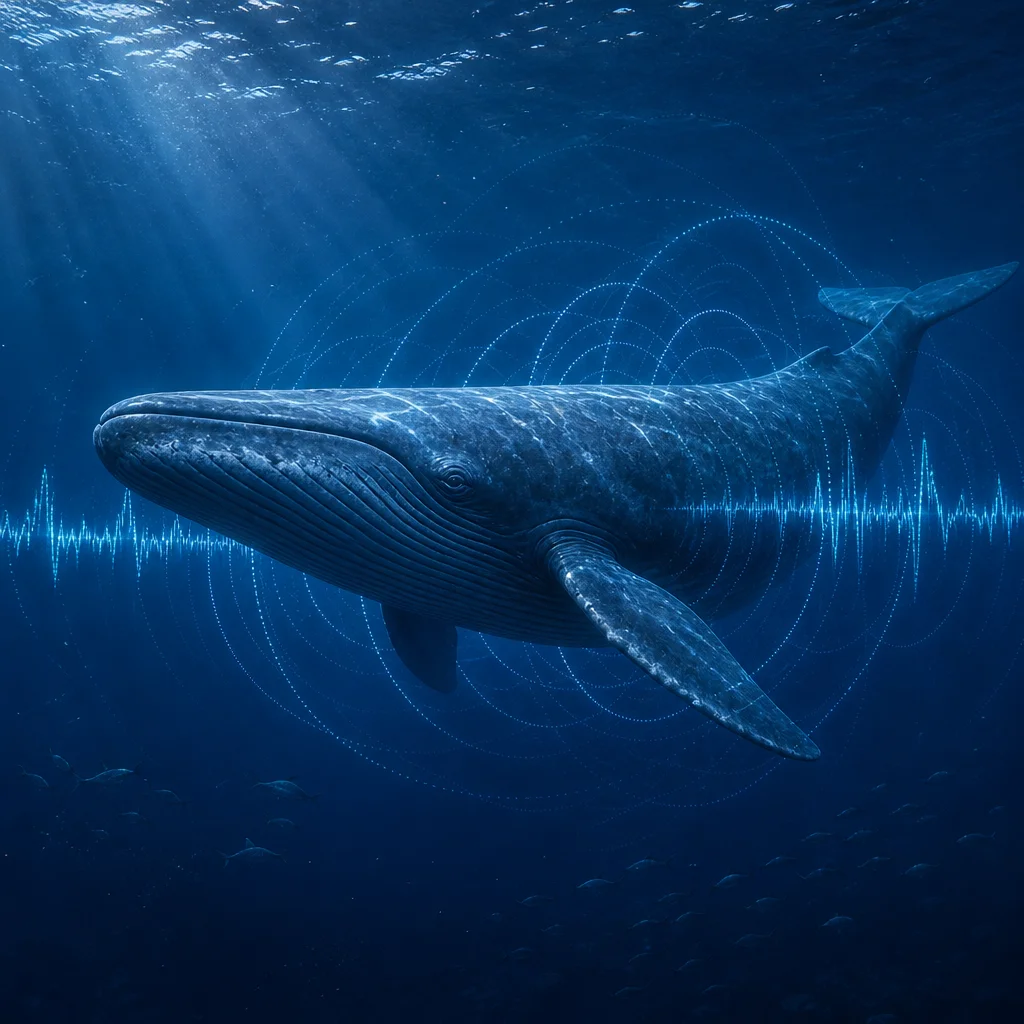
The Impact of Acoustic Disturbance on Cetacean Navigation and Migration
Marine Mammal Rescue

The Impact of Acoustic Disturbance on Cetacean Navigation and Migration

Stand on the deck of a ship in the open Pacific and the world appears to be a place of…

October 21, 2026
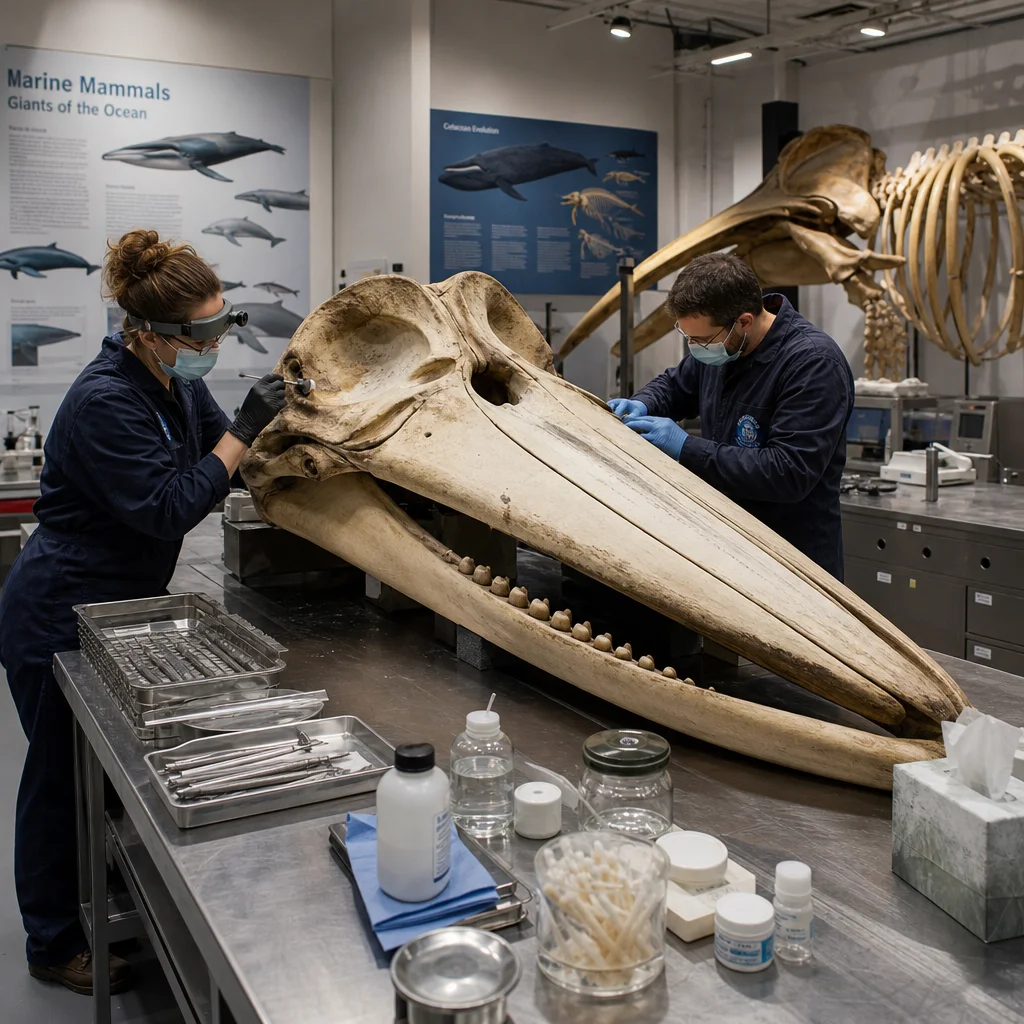
Preservation of Cetacean Skeletal Remains for Academic and Museum Research
Marine Mammal Rescue

Preservation of Cetacean Skeletal Remains for Academic and Museum Research

Cetacean skeletons are among the most striking assets a natural history institution can hold, yet they are notoriously demanding to…

October 21, 2026
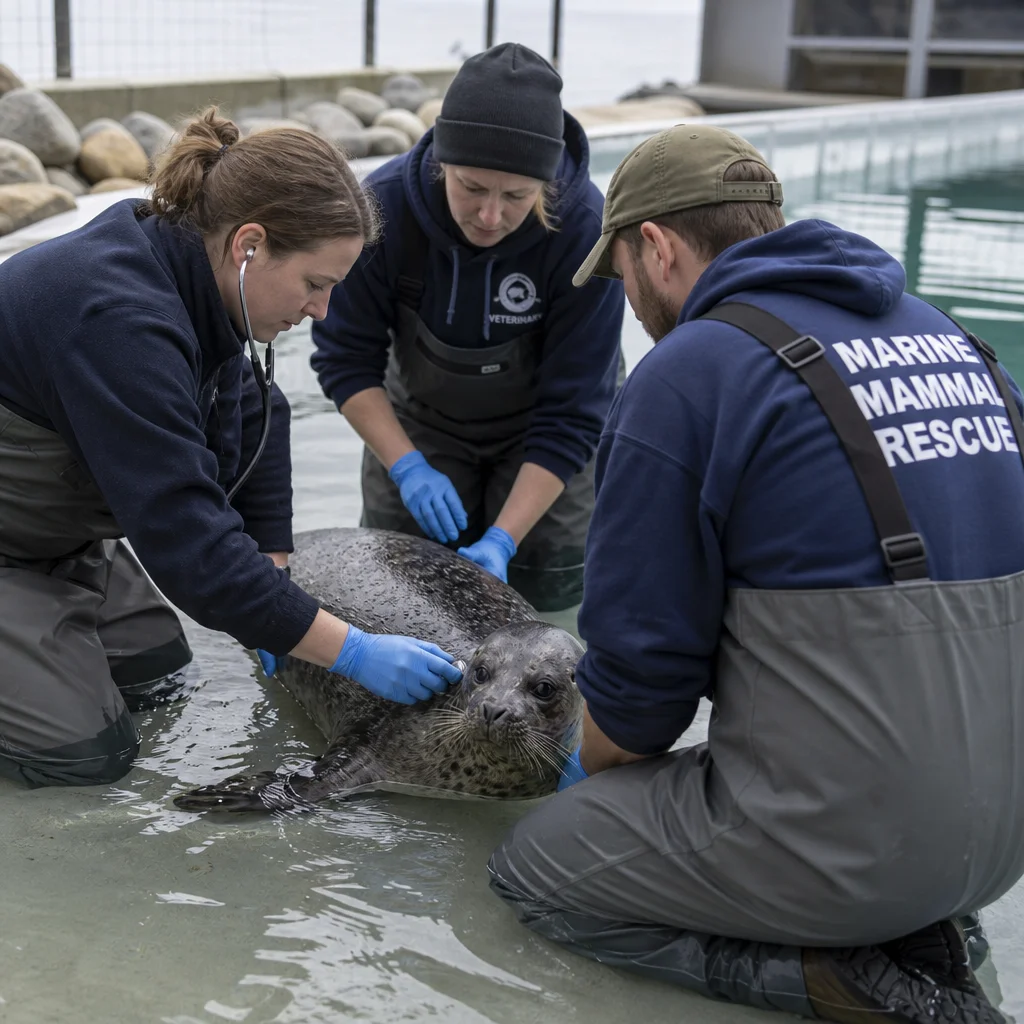
Rehabilitation Protocols for Rescued Marine Mammals: Challenges and Successes
Marine Mammal Rescue

Rehabilitation Protocols for Rescued Marine Mammals: Challenges and Successes

Every year, hundreds of pinnipeds, cetaceans, and sea otters wash ashore suffering from vessel strikes, entanglement in commercial fishing gear,…

October 21, 2026
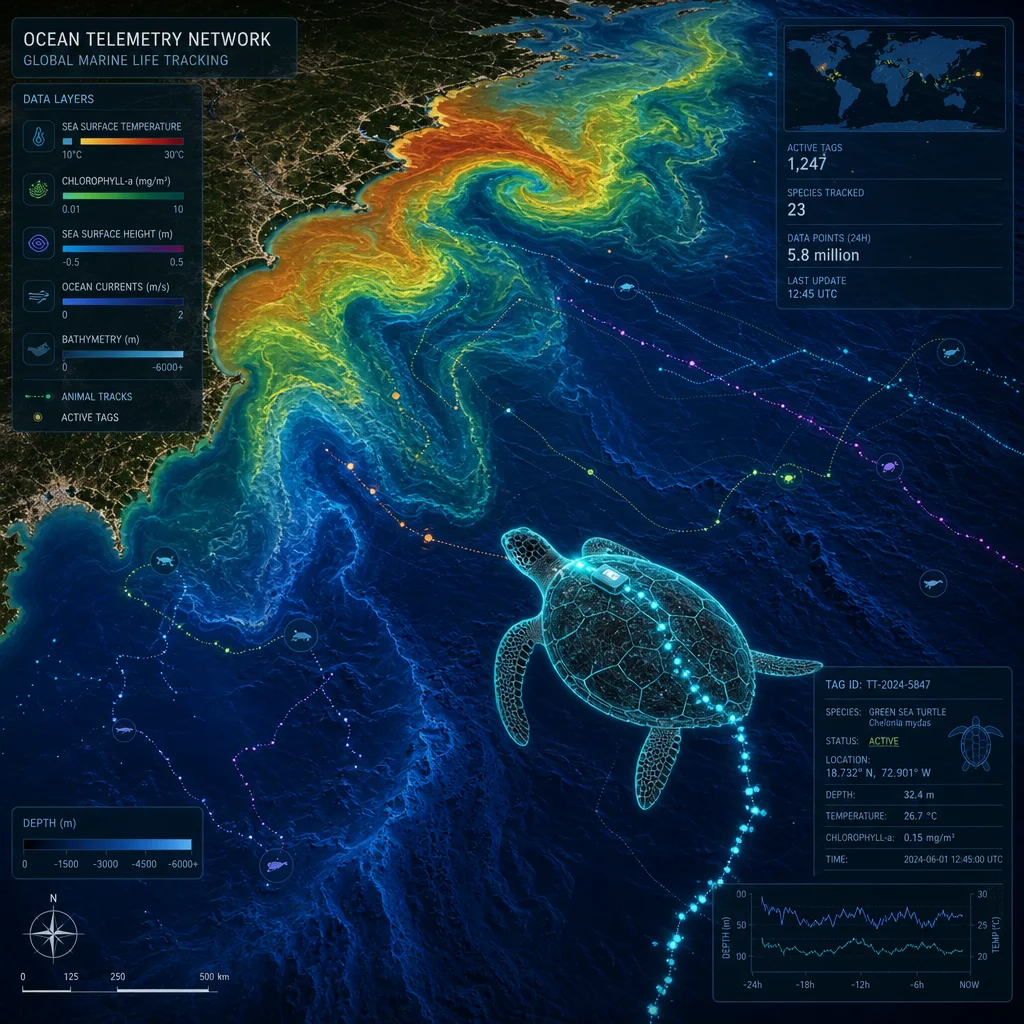
Oceanographic Data and Satellite Tracking in Marine Wildlife Conservation
Marine Mammal Rescue

Oceanographic Data and Satellite Tracking in Marine Wildlife Conservation

Marine conservation has long wrestled with a fundamental blind spot: finding where animals actually go in an environment that hides…

October 21, 2026
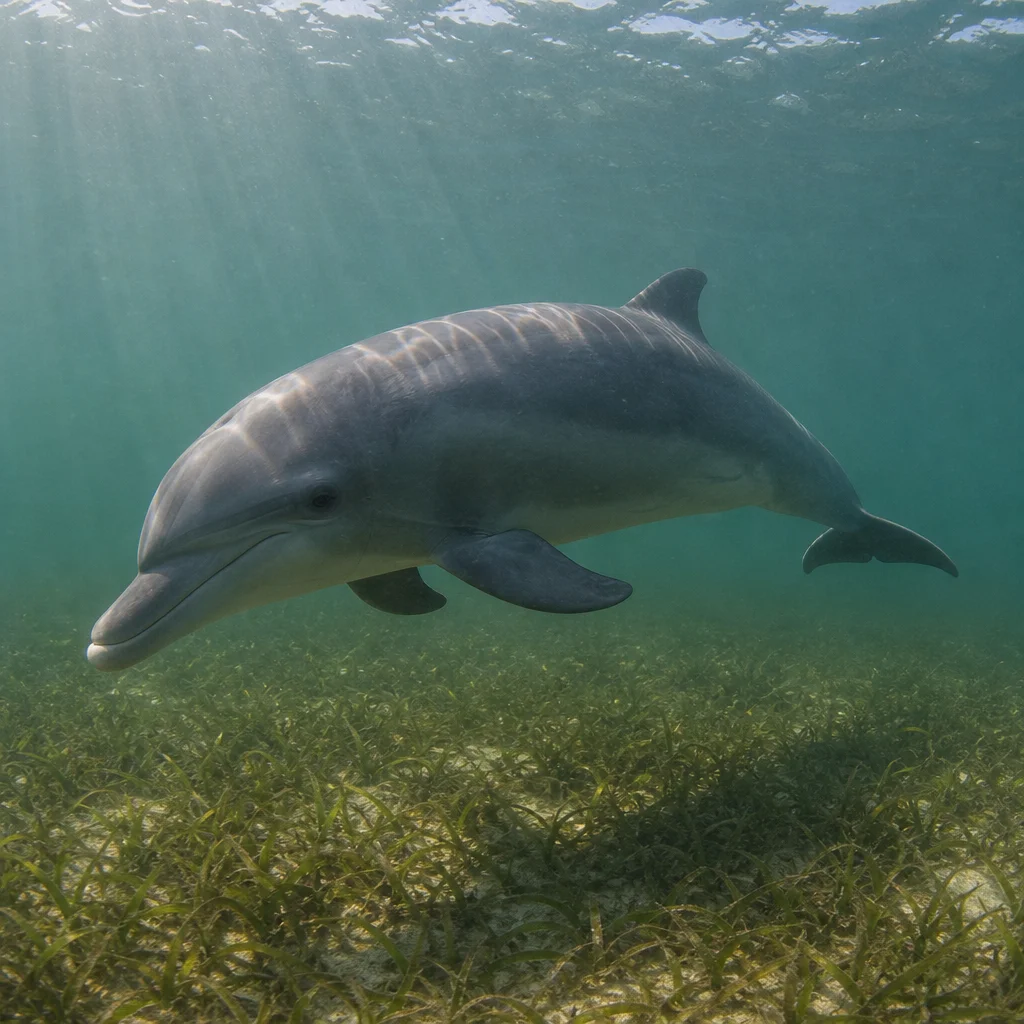
Environmental Factors Affecting Coastal Dolphin Populations in the Atlantic
Marine Mammal Rescue

Environmental Factors Affecting Coastal Dolphin Populations in the Atlantic

Coastal dolphins in the Atlantic live at the dynamic meeting point of land and open ocean—a narrow, shallow ribbon of…

October 21, 2026
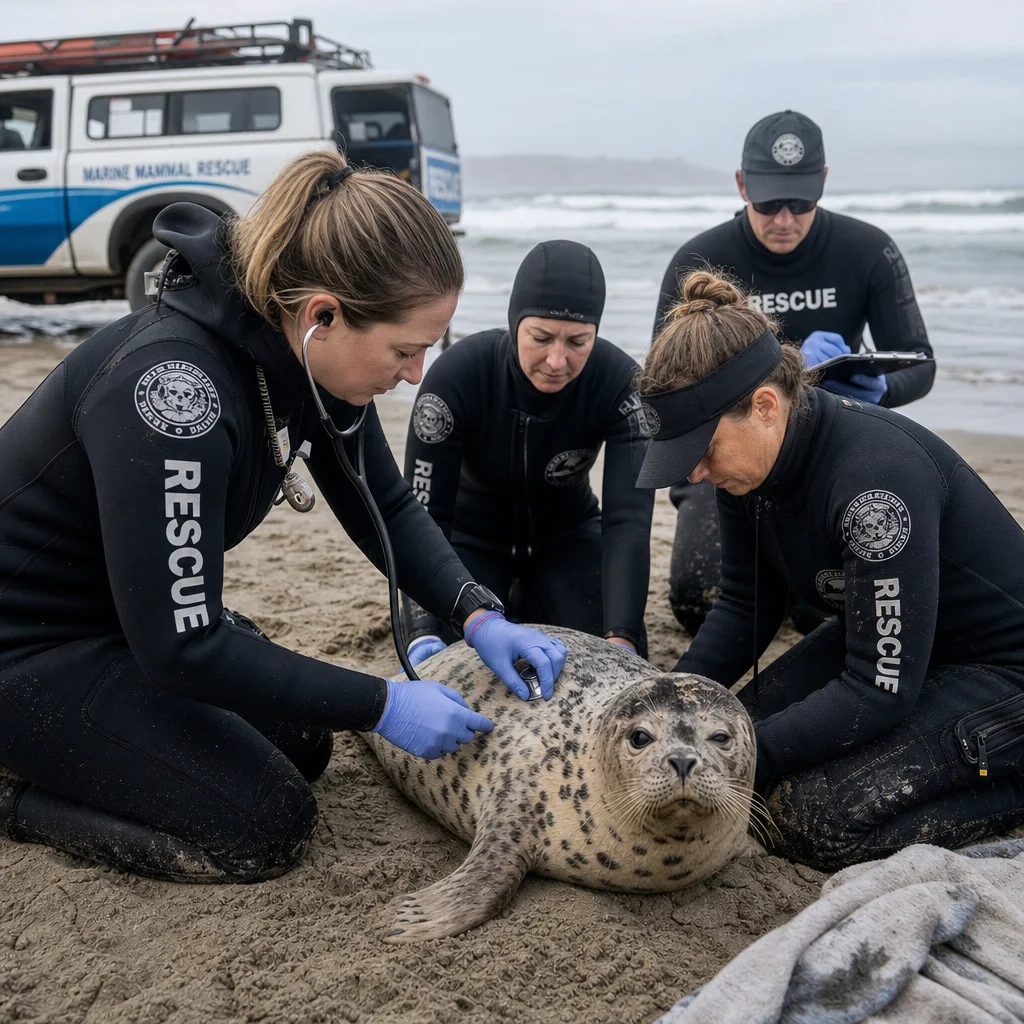
Coastal Marine Mammal Stranding Networks: Roles and Rapid Response Protocols
Marine Mammal Rescue

Coastal Marine Mammal Stranding Networks: Roles and Rapid Response Protocols

The sight of a majestic whale, a playful dolphin, or a sleek seal stranded on a remote sandy shore is…

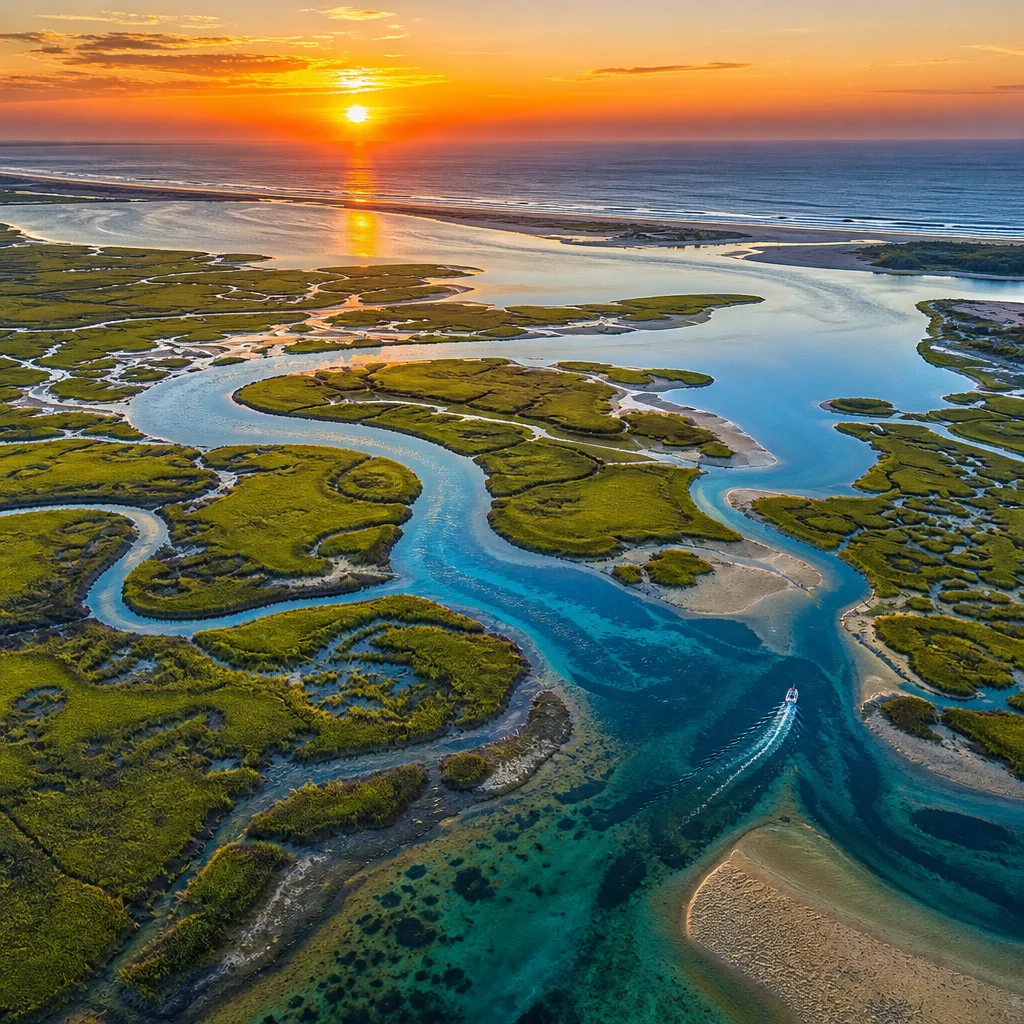
October 21, 2026

Recent Posts

  • Field Research Methodologies for Documenting Coastal Marine Encounters
  • The Cultural Symbolism of Ocean Wildlife: From Marine Folklore to Modern Imagery
  • The Role of Estuarine Ecosystems in Sustaining Marine Biodiversity
  • Community-Based Citizen Science in Coastal Wildlife Protection Programs
  • The Impact of Acoustic Disturbance on Cetacean Navigation and Migration

Recent Comments

No comments to show.

Archives

  • October 2026

Categories

  • Marine Mammal Rescue

Copyright © 2026 marinemammalsnccnc.com | Elite Blog by Ascendoor | Powered by WordPress.