The sight of a majestic whale, a playful dolphin, or a sleek seal stranded on a remote sandy shore is an urgent, heart-wrenching event. For beachgoers, it sparks immediate concern and a desperate urge to help. For marine biologists and conservationists, however, it represents both a critical biological data point and an intense race against time. Operating behind the scenes are coastal marine mammal stranding networks—highly coordinated frameworks of scientists, veterinarians, and trained volunteers. These networks serve as the frontline defenders of marine conservation, blending strict scientific protocols with rapid veterinary intervention to protect ocean biodiversity.
The Core Mandates of Stranding Networks
Marine mammal stranding networks function as much more than simple rescue squads. They are multifaceted scientific and humanitarian organizations whose operations drive four fundamental pillars of marine stewardship: animal welfare, scientific research, public health protection, and educational outreach.
Animal Welfare and Rehabilitation
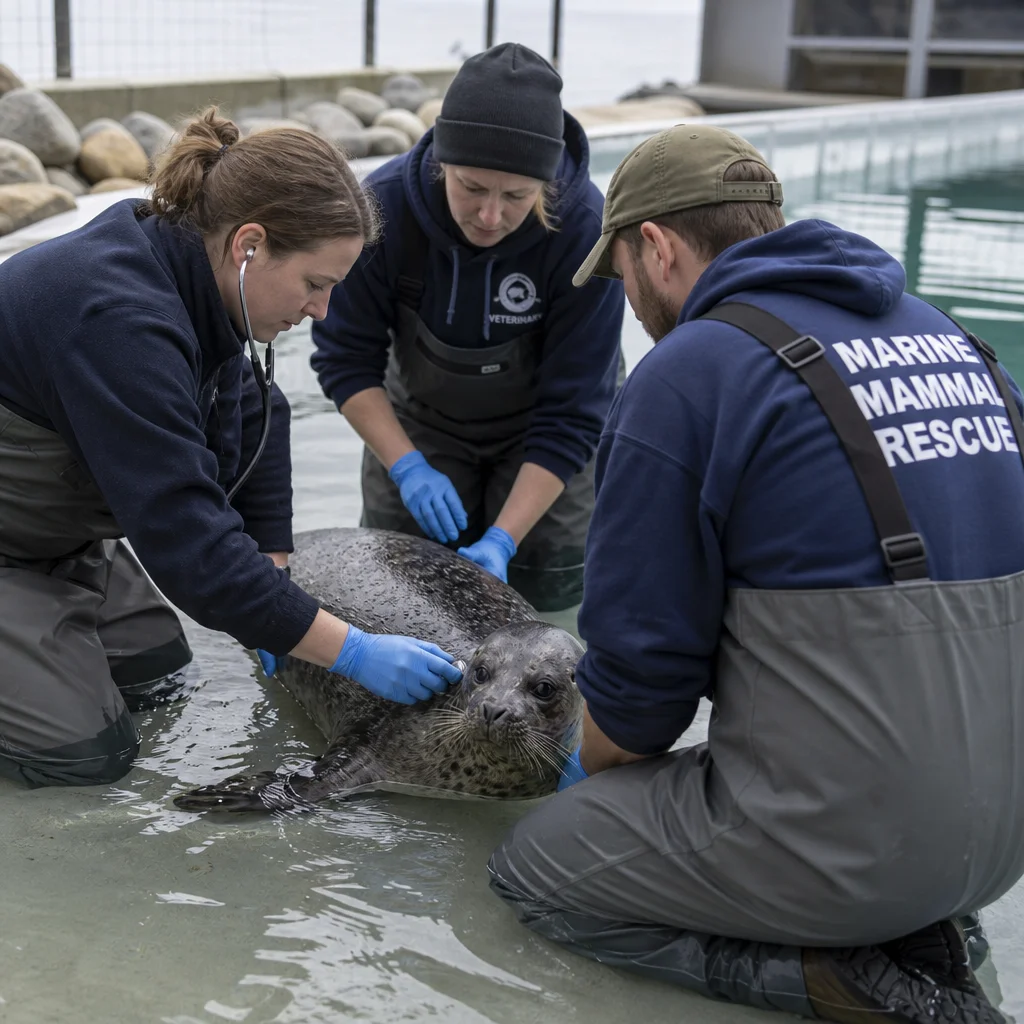
The most visible mandate of any stranding network is direct animal care. When a live stranding is reported, the overriding priority is stabilization and welfare assessment. For cetaceans (whales, dolphins, and porpoises) and pinnipeds (seals and sea lions), trained teams evaluate vital signs, manage stress levels, and, whenever feasible, execute a safe refloating or coordinate transport to a licensed marine mammal hospital. These rehabilitation facilities feature specialized pools, dedicated veterinary diagnostics, and 24/7 care teams. The ultimate objective is always re-release into the wild, achieved only when an animal demonstrates full behavioral and physiological competence to survive independently.
Advancing Marine Science and Pathology
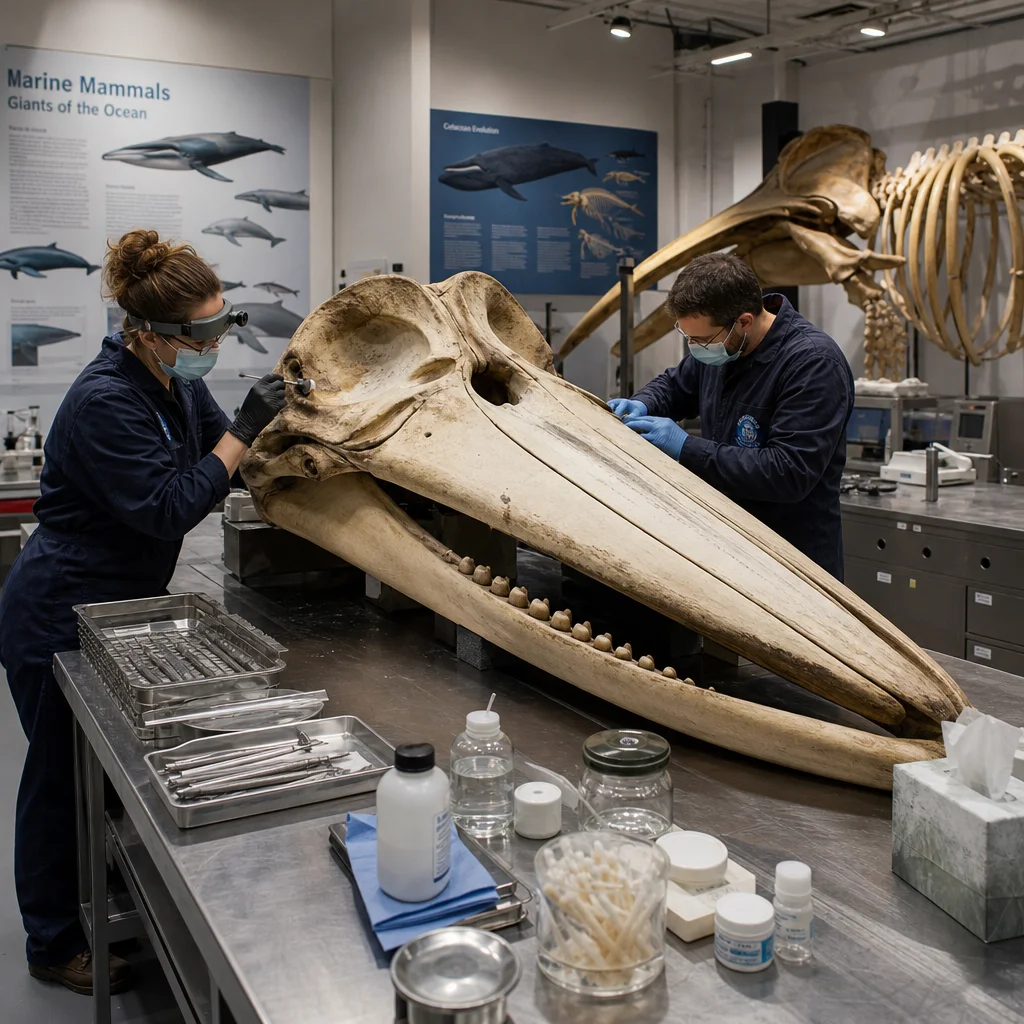
Every single stranding event—whether involving a live animal or a carcass—offers invaluable data for marine science. Through meticulous necropsies (animal autopsies) performed by veterinary pathologists, researchers uncover causes of death ranging from infectious diseases and biotoxin exposure to anthropogenic threats like vessel strikes and commercial fishing gear entanglement. Tissue, blood, and blubber samples are archived for genetic, toxicological, and epidemiological research. These datasets help government agencies track shifting population trends, evaluate ocean health, and establish science-based marine conservation policies.
Safeguarding Public Health and Safety
Stranded marine mammals present tangible risks to human populations. Large cetaceans, even when weak or distressed, can inflict fatal injuries through sudden tail or flipper movements. Furthermore, marine mammals can harbor zoonotic pathogens—such as brucellosis, leptospirosis, and phocine distemper virus—that are transmissible to humans and domestic pets. Stranding networks immediately secure the perimeter, establish safety buffers, and manage public crowds. This professional containment prevents well-meaning bystanders from contracting diseases or inadvertently worsening the animal’s trauma.
Fostering Public Awareness and Community Education
While tragic, a stranding event acts as an impactful educational catalyst. Networks utilize these moments to inform the public about anthropogenic pressures on marine ecosystems, such as plastic pollution, ocean noise, and habitat degradation. By engaging local communities, training citizen-science volunteers, and hosting school outreach programs, stranding networks cultivate a dedicated constituency of coastal stewards who actively advocate for ocean preservation.
Anatomy of a Rapid Response Protocol
The success of a marine mammal rescue operation relies on a disciplined, tiered protocol. This systematic approach transforms an emergency distress call into an efficient veterinary deployment.
Phase 1: Detection, Reporting, and Mobilization
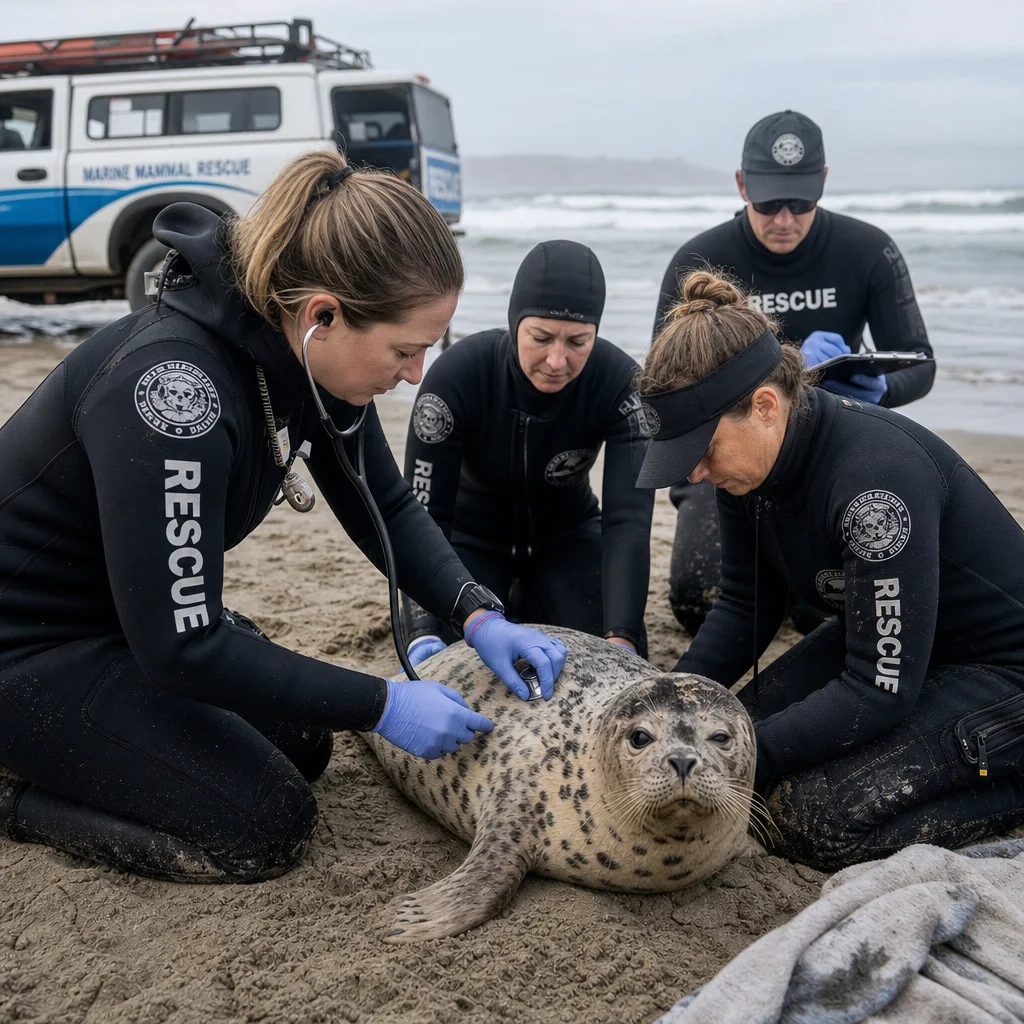
The response chain invariably begins with an observant member of the public reporting a stranding to a designated government-authorized hotline (such as NOAA Fisheries in the United States or equivalent regional authorities). Call operators gather critical baseline data: exact GPS coordinates, species identification, condition (live or dead), and approximate size. The regional coordinator immediately activates a localized response team consisting of marine biologists, veterinarians, and specialized volunteers. Equipment mobilization includes stretchers, sun-shading tarps, cooling misters, medical kits, and secure transport trailers.
Phase 2: On-Site Assessment and Stabilization
Upon arrival, the team leader establishes a strict perimeter to minimize acoustic and visual stressors. Rescuers perform a rapid clinical triage, checking respiration rates, body posture, and trauma indicators. For instance, many seal pups haul out on beaches simply to rest while their mothers forage; in such cases, passive monitoring from a distance for 24 to 48 hours is the preferred protocol.
For live cetaceans, stabilization is immediate and physically demanding. Because whales and dolphins lack skeletal support systems adapted for land, their own body weight can compress internal organs and restrict circulation. Rescuers dig shallow trenches beneath the animal, line them with wet sand and tarps, and continuously douse the skin with seawater, taking extreme care to keep water away from the blowhole. Temporary shade tents are erected to prevent lethal hyperthermia and sunburn.
Phase 3: Authorization and Strategic Decision-Making
Because marine mammals are legally protected under federal legislation (such as the Marine Mammal Protection Act in the U.S.), field teams cannot act unilaterally. The on-site coordinator relays diagnostic data to governmental authorities and lead veterinarians to determine the definitive course of action:
- Release: Executed when an animal is healthy and environmental conditions permit an immediate, safe return to the ocean.
- Rehabilitation: Authorized when the animal suffers from treatable trauma, illness, or malnutrition, requiring transfer to a permitted facility.
- Monitoring: Applied to healthy pinnipeds that require no direct human intervention.
- Euthanasia: Performed by a licensed veterinarian as a humane intervention when an animal faces irreversible trauma, terminal disease, or untreatable suffering.
Phase 4: Transport and Hospitalization
Transporting a marine mammal is an intricate logistical feat. Animals are secured inside specialized transport slings or reinforced padding within climate-controlled vehicles. Throughout transit, handlers monitor respiration and core body temperature. Upon arrival at the rehabilitation hospital, the veterinary team assumes care, initiating blood panels, targeted antibiotic therapy, tube feeding, and physical therapy designed to rebuild muscle mass.
Phase 5: Post-Mortem Examination and Data Archiving
When a stranded animal is found deceased, protocol shifts to forensic pathology. Carcasses are transported to sterile necropsy facilities where veterinary pathologists conduct systematic internal examinations. Organ tissue is harvested for histology, microbiology, and heavy metal analysis. This forensic data feeds into national databases that track marine epizootics, toxic algae blooms, and human-wildlife conflict hotspots.
Current Challenges and the Horizon of Marine Rescue
Despite their pivotal ecological role, coastal marine mammal stranding networks face persistent operational hurdles. They operate largely on tight budgets, relying heavily on grant funding, philanthropic donations, and unpaid volunteers who absorb significant emotional and physical fatigue. Furthermore, accelerating climate change—manifesting as ocean warming, shifting prey distributions, and increased frequency of toxic harmful algal blooms—is driving a rise in unusual mortality events (UMEs).
To meet these growing demands, increased institutional investment, advanced telemetry tools, and cross-border data sharing are essential. Coastal marine mammal stranding networks remain our indispensable frontline defense, offering vital insights into ocean health while embodying our collective commitment to marine life.
”
}